Selected Work

Product design and frontend engineering across enterprise platforms, independent software, and physical-to-digital experiences. The work shows how each challenge moved from strategy and UX through implementation and production delivery.

Branding & Web Design

Teel Supply Corp.

I led the end-to-end design, development, and production deployment of TeelSupply.com, transforming the company’s digital presence into a modern industrial platform built around its Energy, Oil & Gas, and specialized supply capabilities. My role covered the complete product lifecycle—from UX strategy, information architecture, visual design, and responsive front-end engineering to content direction, infrastructure, deployment, and production optimization. The project was built through an AI-native, agentic development workflow in which I served as the human architect and creative/technical director while specialized AI agents collaborated across design, engineering, content, media production, and code quality. ChatGPT, Claude, and v0 supported iterative design and development, while MCP-connected tools and generative platforms including Higgsfield, Kling, and Nano Banana were incorporated into the creative production pipeline. The application runs on Vercel’s cloud infrastructure with Git-based CI/CD, creating a continuous workflow from my VS Code development environment through source control, automated builds, preview deployments, and production releases. AI-assisted code review with Greptile adds another agentic layer to the engineering process—creating an integrated human + multi-agent software delivery system rather than simply using AI as a standalone development tool.
Senior AI Platform Engineer, Principal Designer, Full Stack Engineer·2026
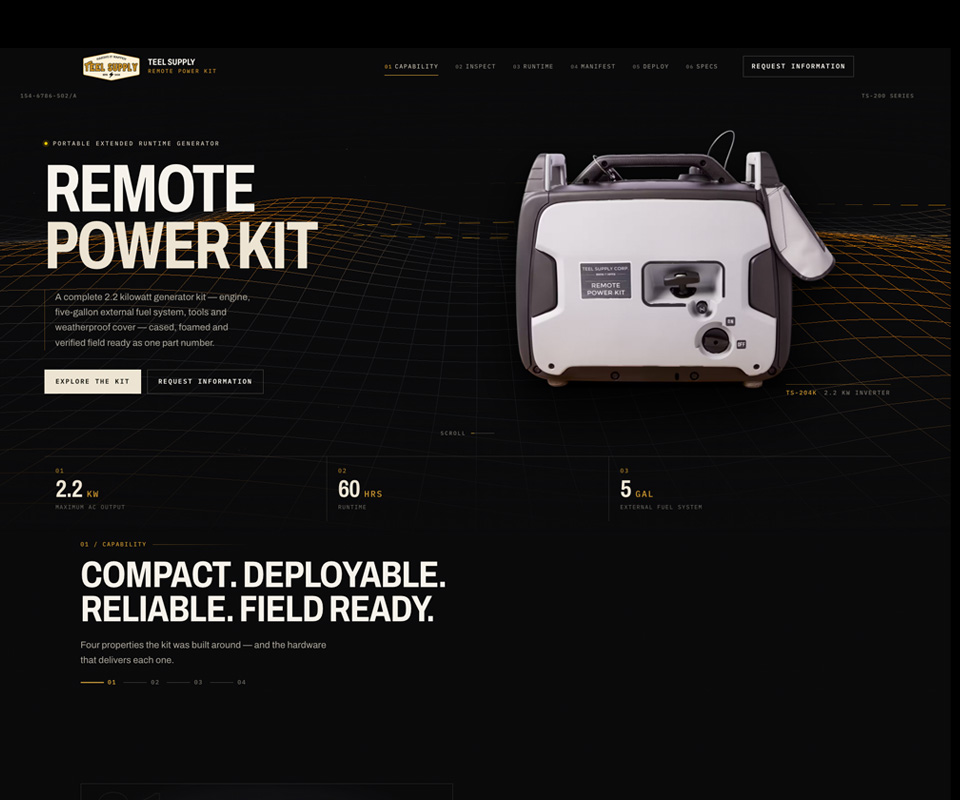
Power by Teel Remote Power Kit product website presentation
Branding & Web Design

Teel Supply Remote Power Kit

I led the end-to-end strategy, UX/UI design, development, and production deployment of PowerByTeel.com, a dedicated digital product experience created to introduce Teel Supply’s Remote Power Kit to defense, field operations, and other mission-critical environments. The project required translating a highly technical physical product into a clear, credible, and visually compelling digital experience—from product positioning, information architecture, interaction design, and responsive front-end development to technical content, visual storytelling, deployment, and the supporting digital-to-physical customer experience. The entire project was executed through an AI-native, agentic design and engineering workflow, with me directing a coordinated ecosystem of specialized AI agents across strategy, design, development, content, imagery, video, testing, and code review. ChatGPT, Claude, and v0 operated throughout the product-development cycle, complemented by MCP-connected and generative tools including Higgsfield, Kling, and Nano Banana for advanced visual production. The production application runs on Vercel’s cloud infrastructure with Git-based CI/CD, connecting my VS Code development environment directly to source control, automated builds, preview environments, and production deployment. Greptile provides an additional AI-driven code-review layer, creating a continuous agentic workflow from initial concept through production. The result demonstrates a modern human-directed, multi-agent approach to digital product development, where AI is integrated into the engineering and creative infrastructure rather than used simply as an isolated productivity tool.

Senior AI Platform Engineer, Principal Designer, Full Stack Engineer·2026
Physical Product & Digital Platform

TapiKat Artifacts

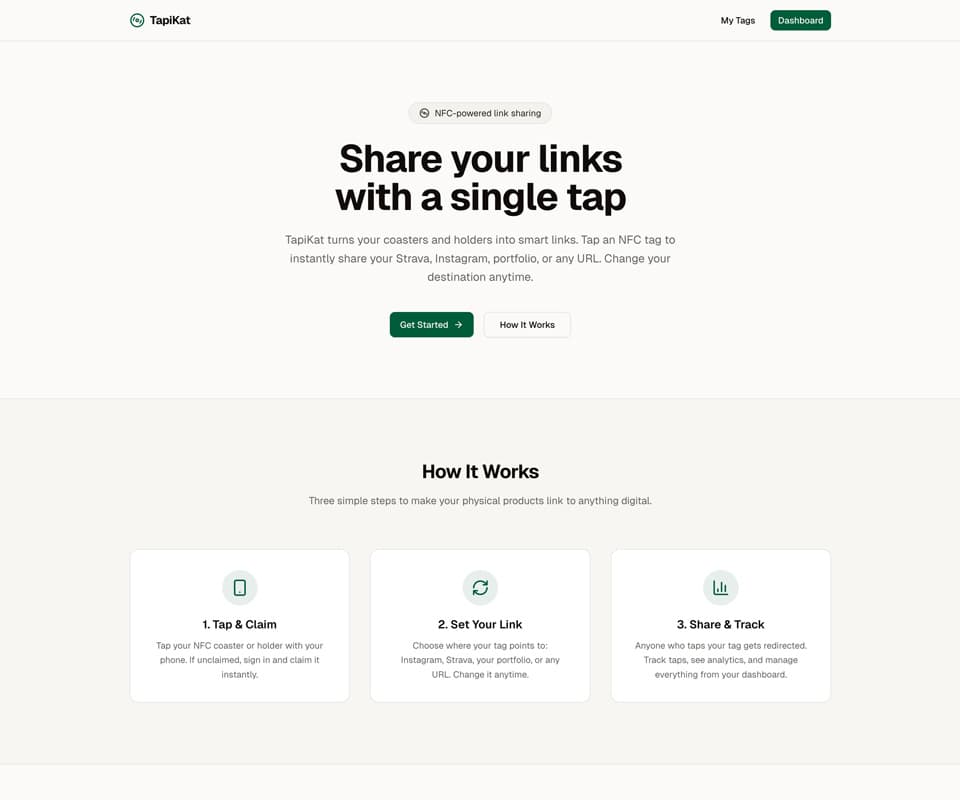
I created TapiKat from the ground up, taking the concept from an original idea to a complete physical and digital product ecosystem. My role spans product invention, industrial and visual design, UX/UI, full-stack development, 3D modeling and fabrication, e-commerce, production workflows, branding, and deployment. I designed the physical artifact itself—including the process for transforming real-world cycling, running, and endurance routes into dimensional pieces that combine custom 3D topography, route geometry, printed artwork, ride statistics, and NFC-connected digital experiences. Each artifact is produced through a hybrid creative workflow that combines MCP-connected AI tools, generative systems, geospatial and 3D data, CAD/3D production techniques, and traditional Adobe Photoshop workflows, allowing technology and hands-on craftsmanship to operate as one production system. The digital platform behind TapiKat.com was built using an equally AI-native, agentic approach. I architect and direct specialized AI agents—including ChatGPT, Claude, Codex, and v0—across product strategy, UX, interface design, software engineering, content, debugging, and production. AI and MCP-connected creative tools extend that workflow into imagery, video, asset generation, and artifact design, while the application is deployed through Vercel's cloud infrastructure with a Git-based CI/CD pipeline connecting the local development environment to automated builds, preview environments, and production releases. The result is more than an AI-built website: TapiKat is a vertically integrated product system where physical product design, software, 3D fabrication, generative AI, traditional design tools, e-commerce, and automated cloud infrastructure converge in a single human-directed, agentic workflow.

Senior Designer and Full Stack Engineer·2026
Physical UX & Technical Communication

Remote Power Kit Field Documentation

I designed and authored the field instructional system for Teel Supply’s Remote Power Kit, creating the technical documentation that accompanies the generators in deployment. My role included technical writing, information architecture, visual design, and print-production preparation—translating operational and maintenance requirements into concise, highly accessible instructions that can be understood quickly in real-world field conditions. Rather than treating the deliverables as conventional manuals, I designed the cards around usability at the point of operation. Critical procedures, maintenance requirements, warnings, and equipment information were organized into a clear visual hierarchy optimized for rapid scanning and reference. The finished cards are physically attached to the equipment and distributed with the Remote Power Kits as their primary field documentation, extending the product experience beyond the Power by Teel digital platform and into the physical operation of the equipment itself. The project demonstrates my ability to bridge UX thinking, technical communication, graphic design, and physical product documentation—applying the same principles of clarity and accessibility to mission-critical printed interfaces that I use in digital product design.

Technical Writer, Information Architect, and Visual Designer·2026
Mobile App Development & Design

Golf Improvement Journal

I conceived and developed Golf Improvement Journal, a mobile-first application designed around a simple idea: help golfers understand and improve their game without turning every round into a complicated analytics exercise. I led the product from initial concept through UX/UI design, feature definition, data architecture, visual identity, and application development—designing an experience that captures the statistics that actually matter, including scoring, net score, handicap strokes, fairways, greens in regulation, putting, penalties, scrambling, and scoring trends. The experience was intentionally designed to remain fast and unobtrusive on the course, with a local-first, offline-capable architecture that allows course data to be downloaded once and rounds to be recorded without depending on cellular connectivity. The application was created through a human-directed, agentic product-development workflow, combining my product strategy, golf-domain knowledge, UX decisions, and visual direction with AI agents including ChatGPT and Codex for architecture, implementation, iteration, debugging, and refinement. AI became an active participant throughout the development lifecycle rather than simply a code-generation utility, allowing product decisions, interface concepts, application logic, and engineering implementation to evolve together. The result is a focused digital product that demonstrates how UX design, domain expertise, mobile engineering, and agentic AI development can be integrated into a single workflow to move efficiently from an original idea to a functional application.

Product Designer and Mobile App Engineer·2026
Original TapiKat physical NFC coasters linked to digital experiences
Physical Product & NFC Experience

TapiKat Coasters

The original TapiKat began as an exploration of how an everyday physical object could become an interactive gateway into a digital experience. I conceived, designed, and produced a collection of custom physical coasters embedded with NFC technology, allowing a simple tap from a smartphone to instantly connect the user to digital content. I developed the concept from the ground up—from product design, branding, visual artwork, and physical fabrication to the NFC interaction model and supporting web experiences—creating a product where the technology remained largely invisible until the moment of interaction. More importantly, the project established the physical-to-digital design philosophy that would ultimately become central to TapiKat. Rather than treating the coaster and website as separate products, I designed them as a single connected experience: the physical object provided presence, permanence, and identity, while NFC extended that object into an evolving digital layer. The project combined product design, UX/UI, web development, NFC technology, digital fabrication, and hands-on production into one integrated system—an early example of my approach to designing experiences that deliberately blur the boundary between physical products and software.

Senior Product Designer, UX/UI, Web Development, NFC technology, digital fabrication, and hands-on production·2026
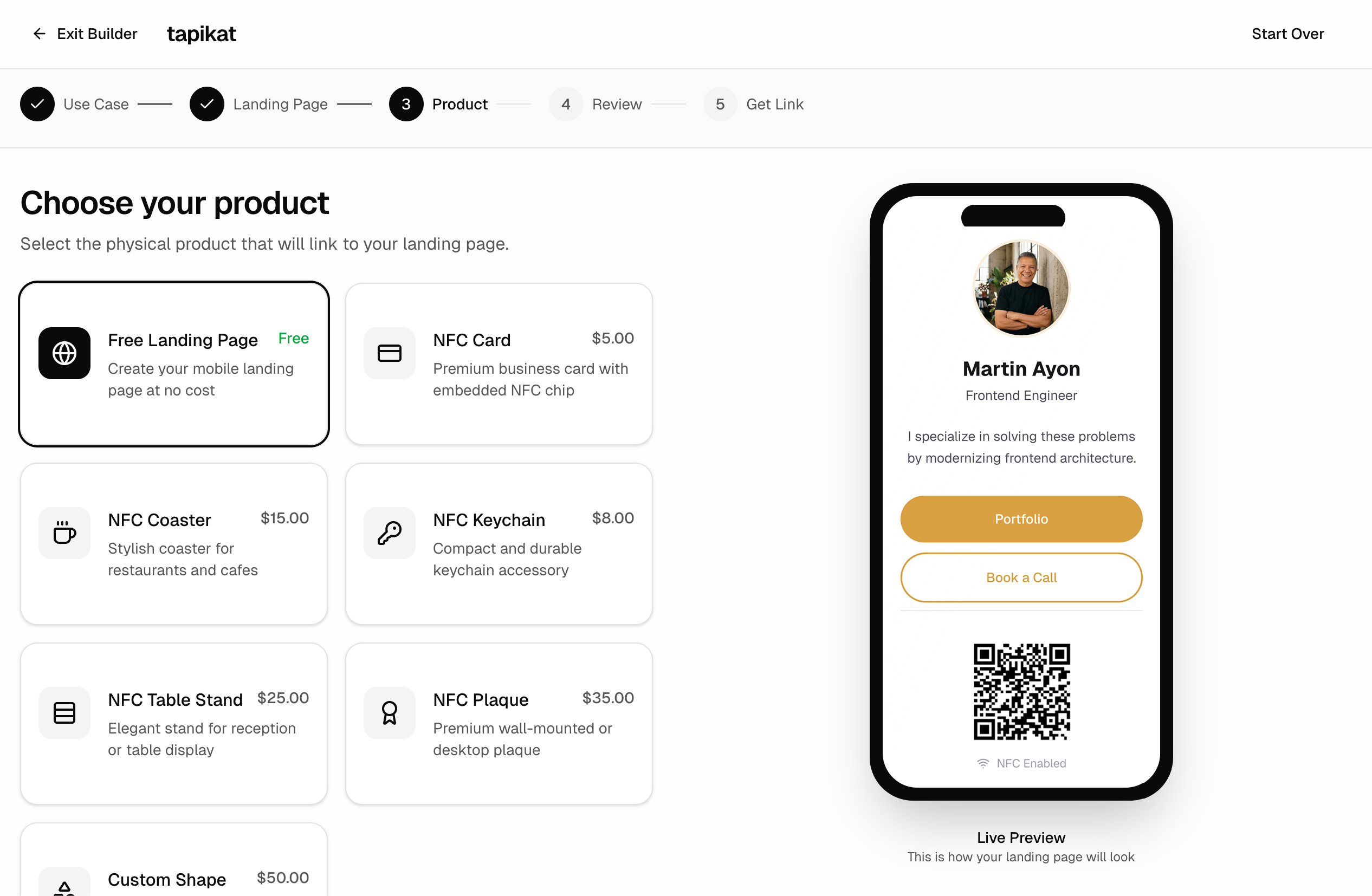
TapiKat Dashboard for managing NFC-connected digital profiles
SaaS Product Design

TapiKat Dashboard

TapiKat Dashboard represents the evolution of my original physical-to-digital concept into a more complete digital identity and contact-management platform. Building on the idea of NFC-enabled business cards, I designed the experience around a simple interaction: tap a physical card and immediately open a personalized mobile profile where contact and professional information can be viewed, shared, and saved directly to a smartphone. The dashboard expanded that experience by giving users a centralized interface for managing the information and digital experiences connected to their physical NFC products. I conceived and developed the product as an integrated system spanning product strategy, UX/UI design, responsive application development, NFC interaction, digital identity, data management, and cloud deployment. The project was developed through an increasingly agentic workflow, combining my product and design direction with AI-assisted engineering and rapid iteration to move from concept to functional software. More importantly, TapiKat Dashboard helped establish the architecture behind a broader idea: a physical object does not need to contain the experience itself—it can act as a persistent access point to a dynamic digital identity that can evolve without replacing the physical product. That principle became an important part of the larger TapiKat ecosystem and my continuing exploration of how physical products, software, NFC, and connected experiences can operate as one.

Lead Product Designer·2026
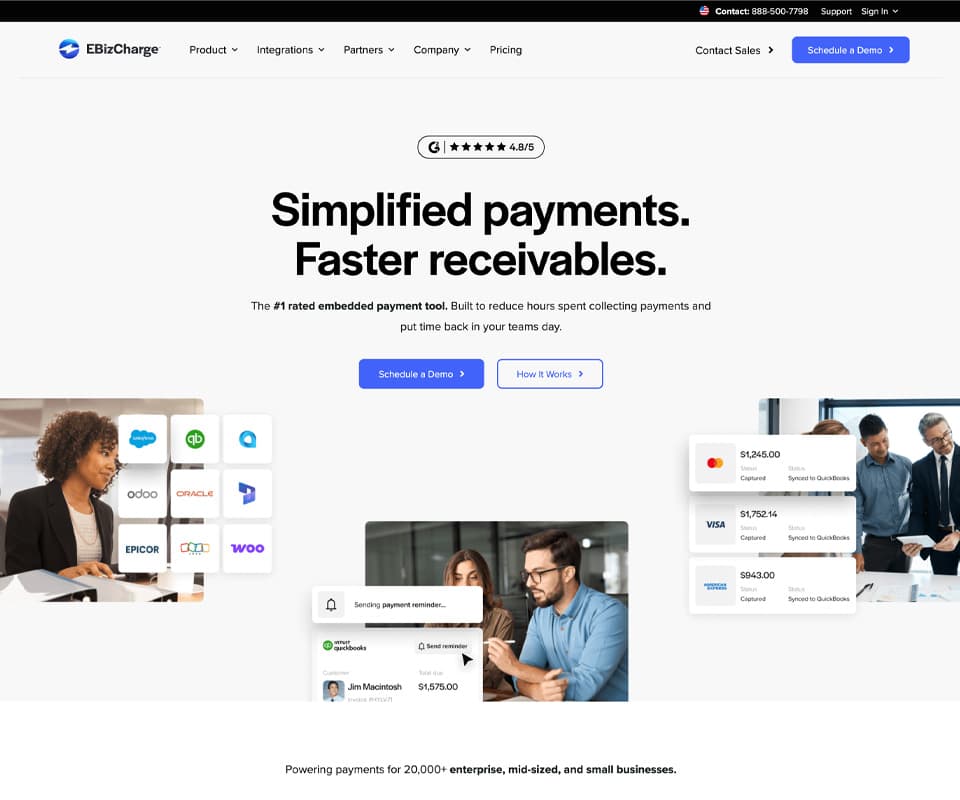
EBizCharge enterprise payment platform interface
Enterprise Software

EBizCharge

EBizCharge is a B2B payment processing platform integrated with major ERP systems. I redesigned the merchant portal and payment interfaces to improve usability and reduce transaction errors. The enterprise-focused design maintains professional credibility while simplifying complex payment workflows.

Senior Frontend Engineer·2026
Mobile App Design

What to Eat for Lunch

I conceived and developed WhatToEatForLunch.com as a playful solution to an everyday problem: *Where should we eat?* The implemented web experience turns local restaurant discovery into an interactive decision rather than another list of search results. At its center is a location-aware digital wheel that helps users quickly discover nearby lunch options, transforming a repetitive decision into a fast, visual, and engaging experience. I led the product concept, UX/UI direction, interaction model, and development, working closely with v0 as an AI development partner to rapidly move from idea and interface exploration into a functional web product. Beyond the implemented website, I explored a broader physical + digital local discovery platform: Raspberry Pi-powered digital signage for offices, hotels, and public spaces; touchscreen discovery; and NFC interactions that could transfer an experience from a shared display to a personal device. The concept also considered expansion into coffee, nightlife, shopping, and other local experiences, with possible business models involving local advertising, affiliate relationships, and SaaS-based digital signage. These elements remain product and business explorations rather than claims of deployed functionality. WhatToEatForLunch demonstrates my approach to AI-native product development: combining an original business concept, UX strategy, working software, and emerging interaction models while keeping future concepts distinct from the released web experience.

Senior Product Designer·2025
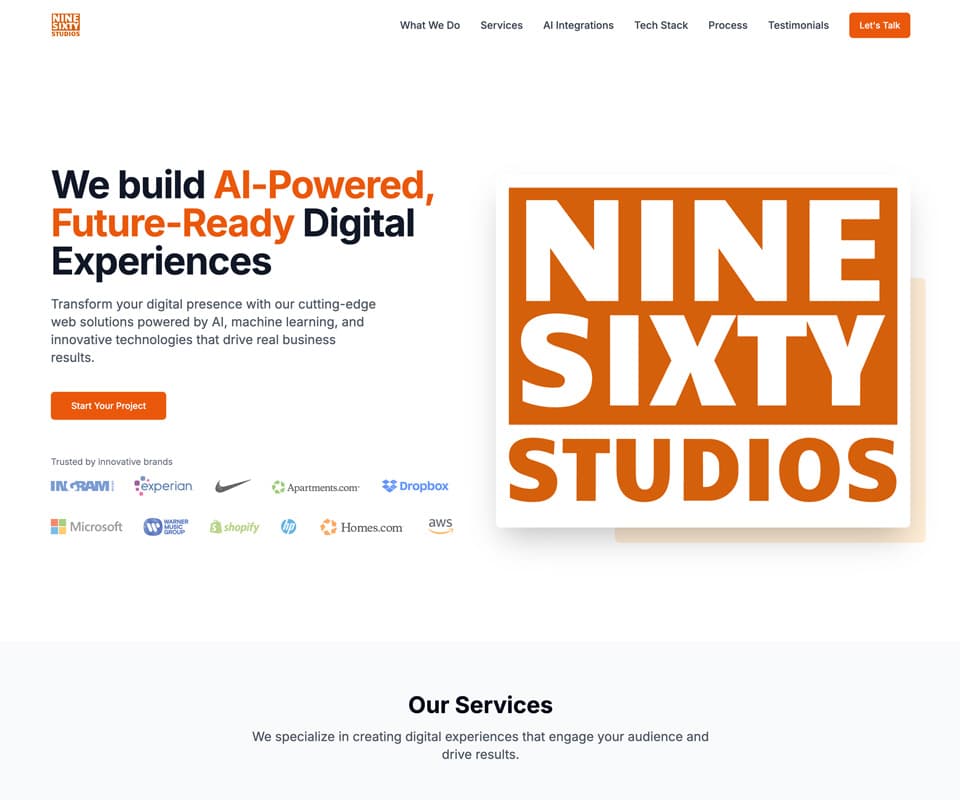
960 Studios digital design and engineering practice website
Web Design & Development

960 Studios

I created 960 Studios as an independent digital design and engineering practice built around a fundamentally different way of creating software: human direction amplified by agentic AI. I lead projects across product strategy, UX/UI, visual design, front-end and full-stack engineering, branding, emerging technology, and production deployment, while orchestrating specialized AI agents throughout the development lifecycle. Rather than treating AI as an occasional productivity tool, I integrate systems such as ChatGPT, Claude, Codex, and v0 directly into the creative and engineering process—using them collaboratively for research, ideation, architecture, design exploration, implementation, debugging, testing, documentation, and iterative refinement. 960 Studios also serves as my laboratory for developing a more advanced agentic software-production model. My workflow combines AI agents with MCP-connected creative and engineering tools, traditional professional design applications, Git-based source control, automated CI/CD, cloud infrastructure, and AI-assisted code review to create a continuous pipeline from idea → design → code → review → deployment → iteration. Projects such as Teel Supply, Power by Teel, TapiKat, and Golf Improvement Journal demonstrate different applications of that system across enterprise websites, specialized technical products, physical/digital experiences, and software applications. The goal of 960 Studios is not to remove the designer or engineer from the process—it is to demonstrate what an experienced practitioner can accomplish by becoming the architect and director of an increasingly capable ecosystem of AI agents, tools, and production infrastructure.

Independent Product Designer and Full-Stack Engineer·2024
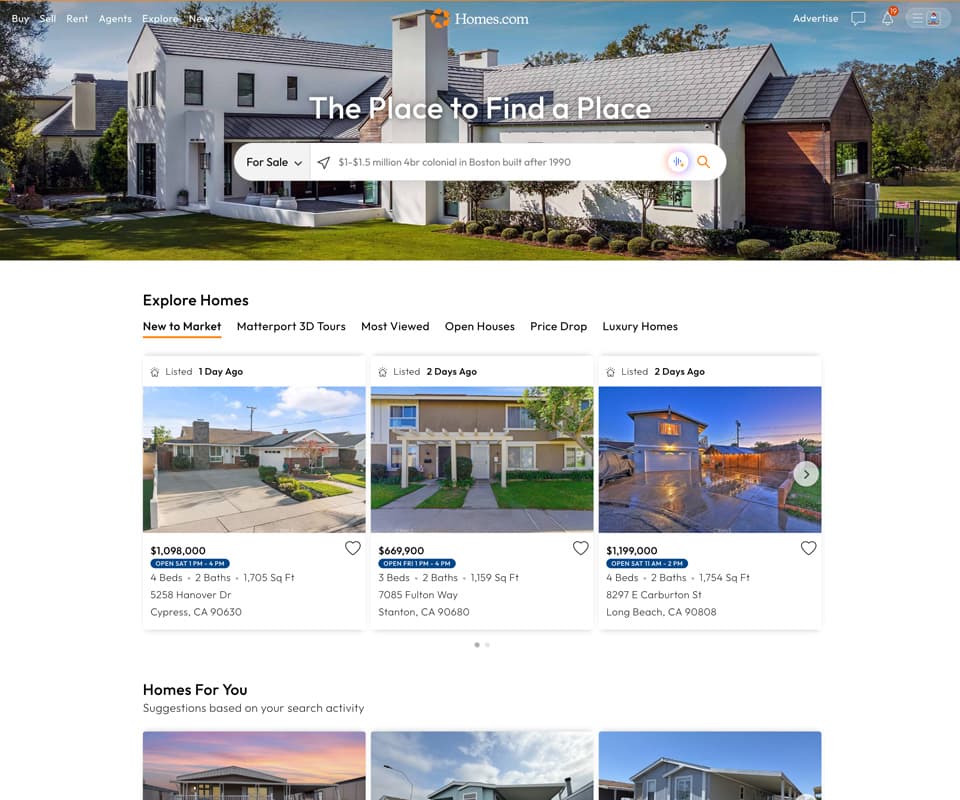
Homes.com residential real estate marketplace interface
Product Design

Homes.com

As a Senior Front-End Engineer at CoStar Group, I contributed to the design and development of Homes.com, a large-scale residential real estate marketplace built to help millions of consumers discover homes, explore neighborhoods, evaluate properties, and connect with real estate professionals. Working within a multidisciplinary enterprise product organization, my role focused on translating complex product and UX requirements into polished, responsive, and maintainable user experiences—bridging the disciplines of front-end engineering, interaction design, usability, accessibility, and visual execution. The work required engineering for a fundamentally different level of scale than a typical website. Homes.com brings together massive volumes of property data, search and filtering experiences, interactive interfaces, photography, neighborhood and school information, mapping, and other data-rich consumer experiences within a single platform. My contribution involved building and refining production UI within that larger ecosystem while collaborating across engineering, UX/design, product, QA, and business teams. The experience strengthened my approach to component-driven development, scalable front-end architecture, design systems, responsive interfaces, accessibility, performance, and cross-functional product delivery—and demonstrated my ability to apply strong design sensibility and front-end engineering discipline inside a complex, high-traffic enterprise application.

Senior Front-End Engineer·2022
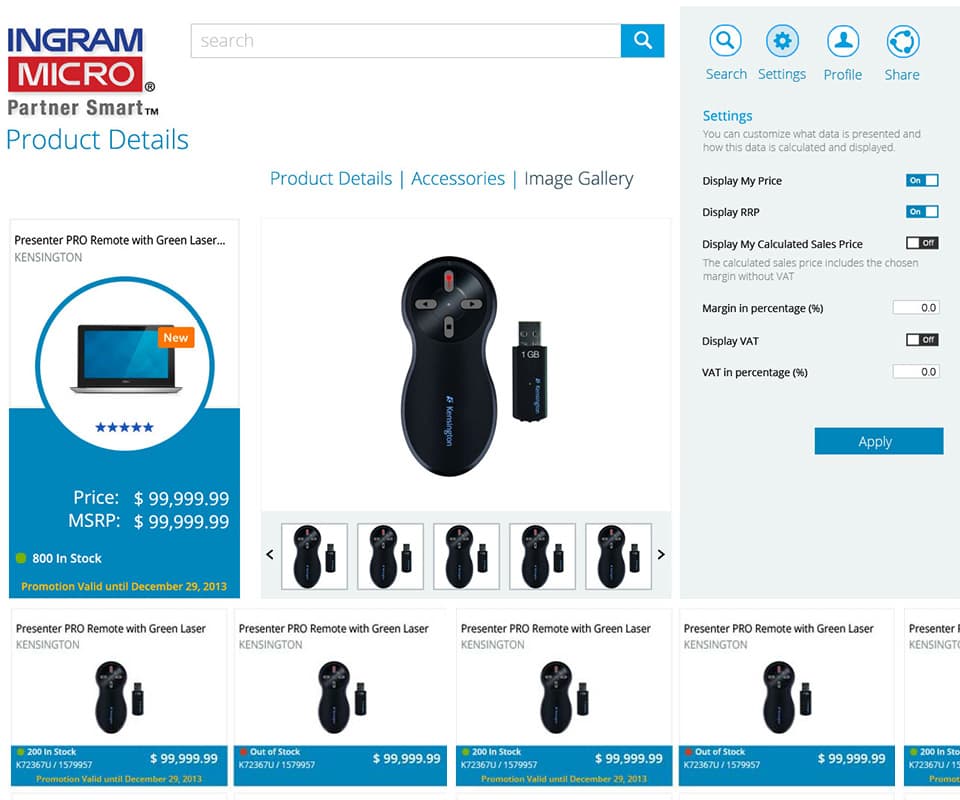
Ingram Micro B2B ecommerce product search and quick-view interface
E-commerce UX

Ingram App Product Search

Enhanced product search experience for Ingram Micro's B2B e-commerce platform. I designed an intelligent search interface with advanced filtering, real-time suggestions, and a flyout preview that allows users to quickly evaluate products without leaving search results. This significantly improved search-to-purchase conversion.

Senior UI/UX Designer·2021
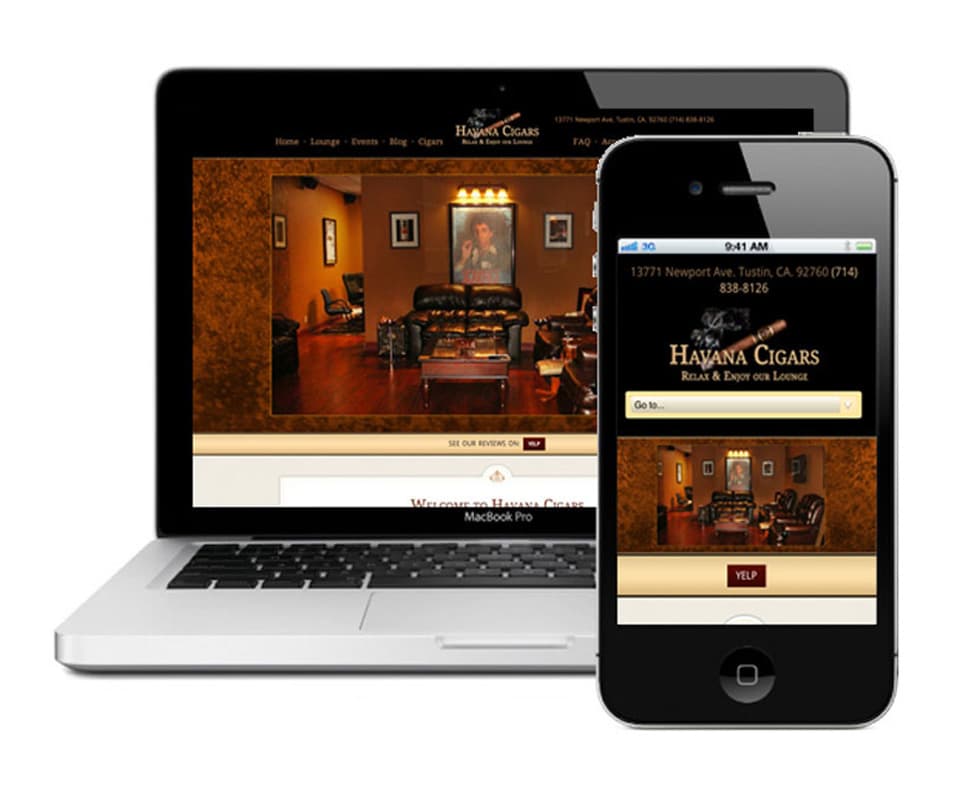
Havana Cigars ecommerce and brand design
E-commerce & Branding

Havana Cigars

Havana Cigars is a premium cigar retailer seeking to establish a strong online presence. I created a luxurious e-commerce experience that reflects the craftsmanship and heritage of fine cigars. Rich textures, warm colors, and elegant typography convey sophistication while ensuring a seamless shopping experience.

Creative Director·2020
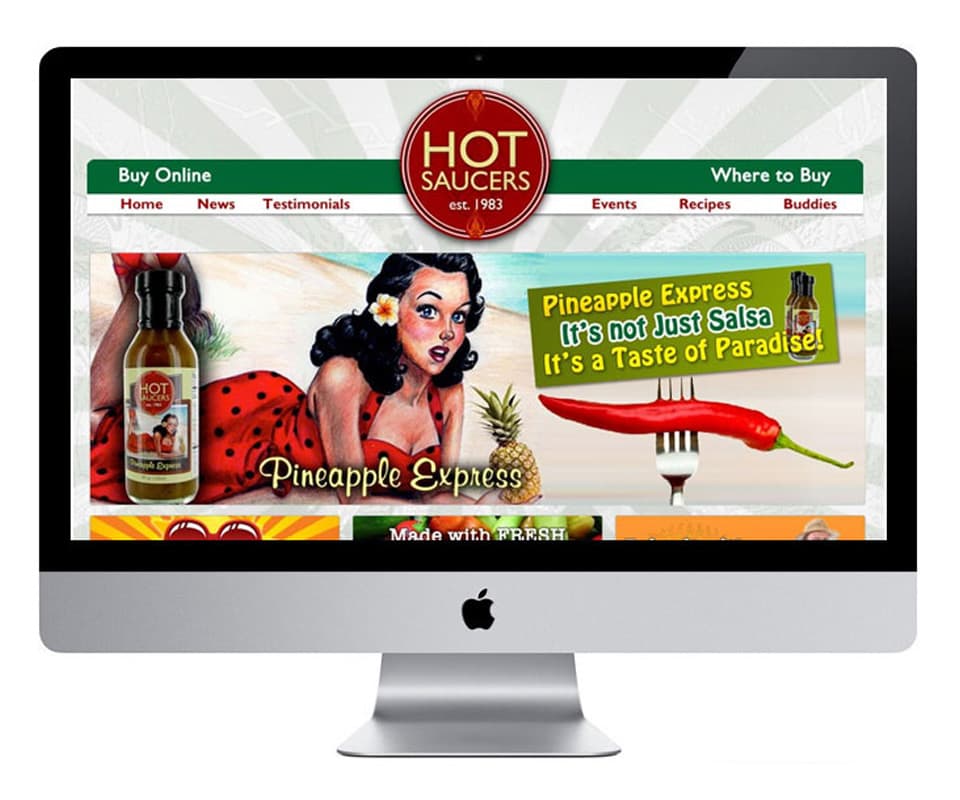
Hot Saucers hot sauce packaging and brand identity
Branding & Packaging

Hot Saucers

Hot Saucers is an artisanal hot sauce brand with bold flavors and personality to match. I developed a vibrant brand identity and packaging system that stands out on shelves while communicating the unique heat levels and flavor profiles of each sauce variety. The design balances playfulness with premium quality.

Brand Designer·2020
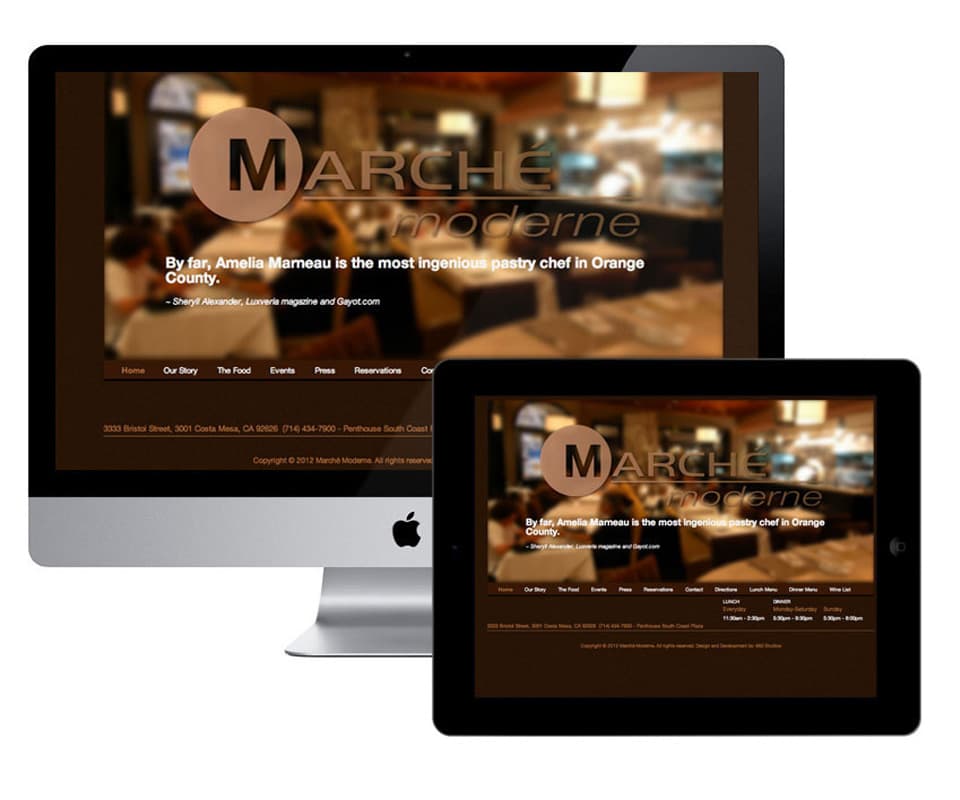
Marche Moderne restaurant brand and website design
Branding & Web Design

Marche Moderne

Marche Moderne is a contemporary French-American restaurant located in South Coast Plaza. I designed a sophisticated brand identity and website that reflects the restaurant's elegant yet approachable dining experience. The design emphasizes clean typography, generous whitespace, and refined visual elements that capture the essence of modern French cuisine.

Lead Designer·2019
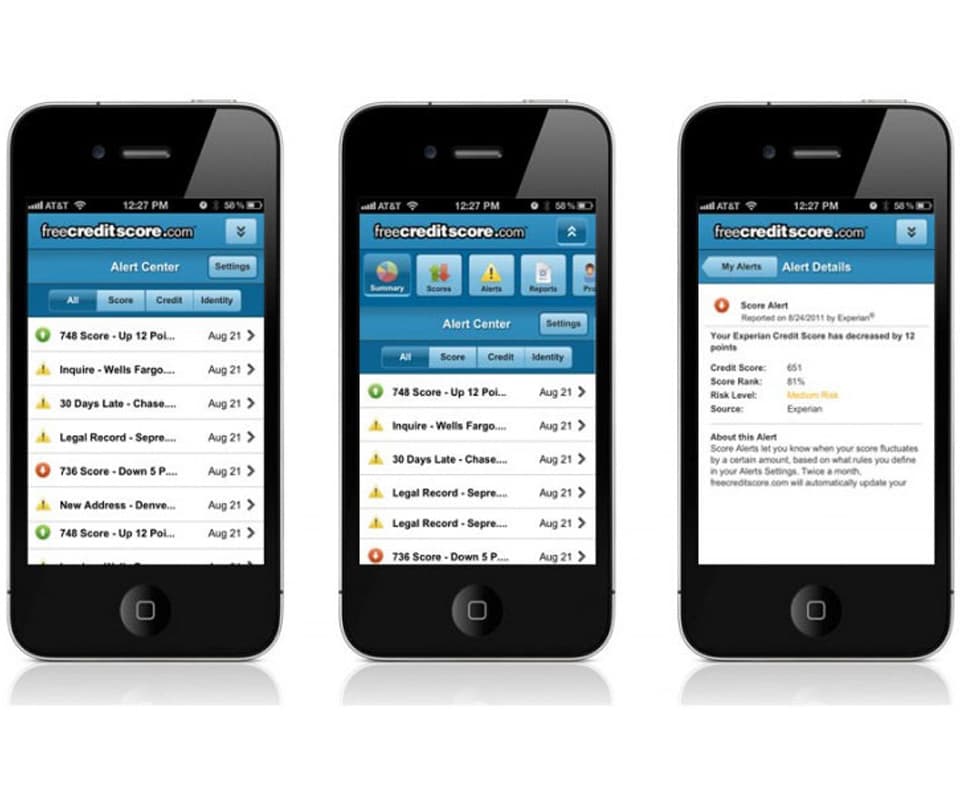
Free Credit Score consumer credit mobile and web experience
Web & Mobile Design

Free Credit Score

As a Web Developer with Experian Consumer Direct, I contributed to the development of mobile and customer-facing experiences supporting Experian’s consumer credit products, including FreeCreditScore.com, FreeCreditReport.com, and ProtectMyID.com, as well as partner experiences for brands including American Express and Discover. My work included helping develop a cross-platform iPhone and Android mobile framework using HTML5, CSS3, JavaScript, jQuery, and jQuery Mobile, integrated with Experian’s application architecture through ASP.NET MVC3 and Razor. The project came during an important transition in consumer software, when sophisticated web experiences were rapidly moving from the desktop to smartphones and teams were still establishing the patterns that would define modern responsive and cross-platform application development. My role extended beyond implementation into the intersection of UX, front-end engineering, conversion optimization, and enterprise product delivery. I translated visual designs into production interfaces and landing experiences, collaborated with Experian’s optimization team on Adobe Test & Target A/B testing, and worked within a large-scale consumer platform handling highly sensitive financial and identity-related experiences. The work represents an early chapter in my evolution as a UX-focused front-end engineer—building mobile experiences before today’s mature component frameworks and design systems existed, while learning to balance usability, business optimization, technical constraints, and the requirements of a major financial-services platform.

Web Developer / Frontend Team Lead·2010–2012